


Umdah Al-ahkam Vol. 3 Hadith No. 460
The text editor designed to make coding as simple and fun as playing a video gameBuilt for you by the brackets.io development team 0+ downloads and counting...


Built for web developers, designers, and students. Edit directly in the live preview and iterate faster with powerful visual tools.
*Some features shown are available only with Phoenix Pro
Edit text, change images and tweak layout directly in the preview. No more switching between code and browser.
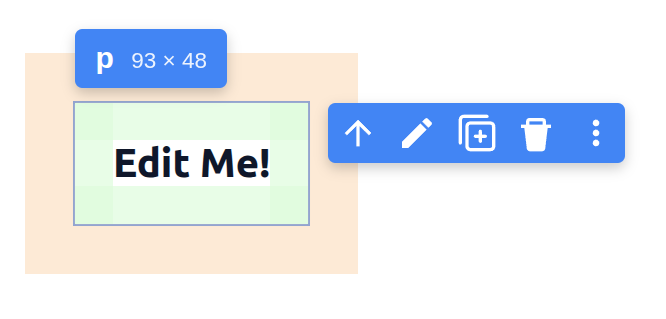
Edit content and elements right in Live Preview - cut, copy, paste, duplicate, delete - without breaking your flow.
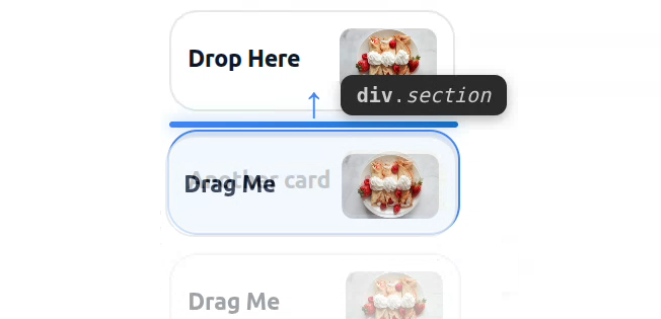
Rearrange sections visually - try more layout ideas in seconds, not minutes of coding.

Browse royalty-free images - hover to preview instantly, click to apply. Try more options, faster.
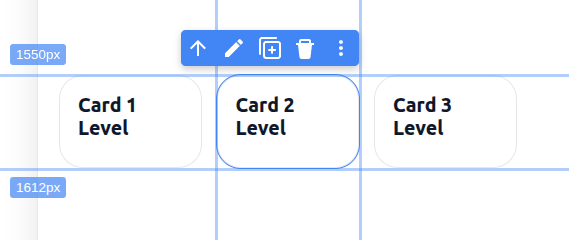
Design and inspect in one view - hover to see spacing, dimensions, and classes. Ruler guides for pixel-perfect alignment.
Hadith No. 460 of Volume 3 reads:
Hadith No. 460 in Umdah Al-ahkam Vol. 3 reads:
"The Messenger of Allah (peace be upon him) said: 'A woman should not fast without her husband's permission, except in Ramadan.'" Umdah Al-ahkam Vol. 3 Hadith No. 460
serves as a vital guideline for maintaining stability in a marriage. It teaches that the spiritual state of a person is closely tied to their actions within their home. For a successful marriage, both partners should strive to understand and fulfill each other's rights with love, respect, and kindness. Related Resources & Further Study
Note: In many standard editions of Sahih Bukhari, this corresponds to Volume 7, Book 62, Hadith 124 (Book of Wedlock), or other similar placements, which is often incorporated into thematic volumes of Umdah Al-Ahkam. 2. Contextualizing the Hadith (Fiqh Perspective) Hadith No
The ultimate goal of this teaching is to cultivate a household where physical and emotional intimacy brings the couple closer, strengthening the foundation of the family unit. 5. Conclusion
Methodological Takeaways
Text and Transmission (Isnad and Matn) The wording of Hadith No. 460, as preserved in common editions, is short and prescriptive. Its matn (text) consists of a brief command or report attributed to the Prophet (peace be upon him) or to a Companion whose practice is treated as authoritative. Manuscript variants show small lexical differences that do not alter the general meaning but do affect technical juristic inferences—for example, whether the language is categorical or permissive, or whether it mentions a specific condition.
The online world contains a corrupted reference to "Umdah al-Ahkam: Vol. 3, Hadith no. 460," which attributes the following statement to Prophet Muhammad (peace be upon him), as narrated by Anas ibn Malik: 3 reads: "The Messenger of Allah (peace be
user wants a long article about "Umdah Al-ahkam Vol. 3 Hadith No. 460". I need to identify the specific hadith, translate its Arabic text, and provide commentary. I'll need to search for information about this specific hadith. search results show a potential source (result 0) that might contain the hadith. I'll open it to verify. source appears to be a polemical website misrepresenting the hadith. I need to find the authentic Arabic text and reliable commentary. I'll search for the hadith in Arabic and also look for scholarly exegesis. search results for the Arabic text and commentary did not yield the specific hadith. I need to search for the Arabic text of the hadith directly, perhaps using a phrase from it. I also need to find reliable commentary. I'll search for the Arabic text snippet from the polemical site and look for scholarly exegesis. search results show that the hadith is being circulated on polemical websites. I need to find an authentic source. I will search for "حديث أنس بن مالك كان الله شيطان". search did not find the hadith. I will search for "حديث نبوي كان الله شيطان". search did not return relevant results. I need to find a reliable source that discusses this hadith. I will search for "Umdah al-Ahkam hadith 460 fabricated". search results do not show the hadith. I will search for "الحديث 460 عمدة الأحكام". search did not yield the hadith. I will search for "Umdat al-Ahkam hadith 460 Anas". search results do not show the hadith. I will search for "حديث رقم 460 عمدة الأحكام". 7 might be relevant. I'll open it. hadith in Sunan Abi Dawud is about the caller to prayer. However, the user is asking about Umdah Al-ahkam Vol. 3 Hadith No. 460. I need to find the correct hadith. I will search for "عمدة الأحكام المجلد 3 الحديث 460". search did not find the hadith. I will search for "عمدة الأحكام كتاب الزكاة حديث 460". search results show a page that might contain the hadith. I'll open result 0. hadith in Umdah al-Ahkam, volume 3, number 460, is about Zakat al-Fitr. The user wants a long article about this hadith. I will write an article that includes the hadith text, its chain of narration, its ruling, and its implications for Zakat al-Fitr. I'll also discuss the differences of opinion among scholars regarding the obligation and the types of food that can be given. I'll also address the fabricated hadith found online. Now, I'll gather more information. I'll search for "Zakat al-Fitr hadith Abdullah ibn Umar". will open result 0 for more details. provides the Arabic text and translation of the hadith. I'll also search for commentary on this hadith. I'll search for "شرح حديث فرض رسول الله زكاة الفطر".'ll open result 0 for more details. I need to gather more information about Umdah al-Ahkam and its author. I'll search for "Abdul Ghani al-Maqdisi Umdat al-Ahkam".'ll also search for "Zakat al-Fitr rulings Hanbali". will also open result 1 for more details. have reached the maximum number of tool call steps and must now answer the user's question based on the available information. The user wants a long article about a specific hadith from "Umdah Al-ahkam Vol. 3 Hadith No. 460".
Therefore, the hadith the user is asking about is the latter, authentic one. The fabricated version appears to be a malicious distortion. My article will focus on the authentic hadith. I will structure it with an introduction to the book and author, the text of the authentic hadith, an analysis of its chain of narration, the key rulings derived from it, and finally, a crucial clarification addressing the fabricated version to prevent confusion.
