


Wixie
Student publishing and creativity platform. Users can search and insert images from Pics4Learning within the application.

Pixie
Software for student publishing and creativity.

Wixie
Online student publishing and creativity platform.

Frames
Create animations, digital stories, and stop-motion.

Share
Create web sites, epubs, and presentations.
These software tools let users search and insert images from Pics4Learning within the application.

Lesson Plans
High-level ideas for engaging students and using Pics4Learning images in the classroom.

Creativity
Articles to help build powerful thinking skills with creativity.

Digital Storytelling
Articles and ideas for engaging students with digital storytelling.

21st Century Classrooms
Articles to help you create a 21st century classroom and build 21st century skills.
Articles, ideas, and lessons for engaging students with technology.


[Content Creation] ──> [Algorithmic Distribution] ──> [Audience Engagement] ^ │ └───────────────── Data Feedback Loop ───────────────┘ Monetization Models
Modern audiences increasingly demand that entertainment content reflects diverse human experiences. Popular media has made significant strides in representing varied ethnicities, genders, sexual orientations, and neurodivergent perspectives, fostering empathy and broader social acceptance.
By January 2017, Asa Akira was already a hall-of-famer. She didn’t need the "Naughty Office" paycheck; she was the brand. What makes this scene stand out is her command of the room. Unlike many "boss/employee" setups where the power dynamics feel scripted, Akira plays the interloper here—the confident new hire who realizes she holds all the cards.
The way we consume media has shifted from passive viewing to active participation. NaughtyOffice.17.01.03.Asa.Akira.REMASTERED.XXX...
We have moved away from the era of "appointment viewing," where families gathered around a single TV set. Today, the audience is no longer just a passive consumer; they are creators. Social media has democratized entertainment, allowing anyone with a smartphone to compete with major studios for attention. This shift has made media more diverse and niche, but it has also shortened our collective attention spans as we jump from one "trending" topic to the next. Influence and Responsibility
For fans of Asa Akira, this is the definitive version of a classic scene. For cinephiles of the genre, it is a case study in how AI upscaling is preserving the "middle era" of adult content before the industry moved entirely to amateur/homemade vertical video.
At its core, entertainment serves as a repository for shared cultural values. The stories that gain traction—whether they are superhero blockbusters, gritty crime dramas, or sitcoms—rarely become popular by accident. They resonate because they tap into the collective consciousness of a specific time and place. For instance, the resurgence of dystopian fiction in young adult literature during the early 21st century mirrored a generation’s anxieties about economic instability and governmental overreach. In this sense, popular media functions as a mirror; it validates the audience's emotions, fears, and aspirations. When a marginalized group sees themselves represented on screen for the first time, or when a satirical show exposes political absurdity, the media is holding up a reflection of reality, telling the audience, "You exist, and your experiences matter." She didn’t need the "Naughty Office" paycheck; she
A- Watch if you like: Strong female-led dynamics, banter, and high-contrast cinematography.
: She is an AVN Hall of Fame inductee and has won numerous "Performer of the Year" awards. Mainstream Crossover : Beyond her film work, she is a best-selling author of memoirs like Insatiable: Tales from a Life of Delicious Excess
To help tailor this material for your specific platform, tell me: The way we consume media has shifted from
: New "world models" developed by Google and xAI allow users to generate entire gaming ecosystems—including physics and lifelike NPCs—from simple text prompts. The Attention Economy and Mobile Storytelling
Popular media has transitioned through three distinct eras, each defined by technological capability and user agency.

Creative Educator
A free source of strategies to foster creativity, and integrate technology into the classroom.
Rubric Maker
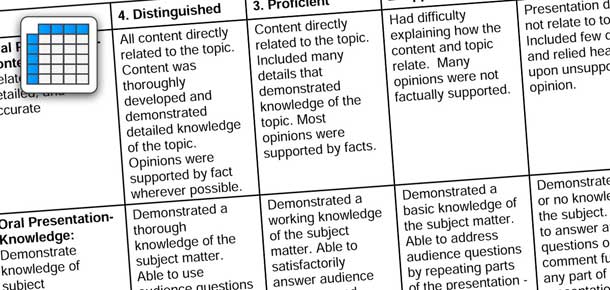
Create custom rubrics for your classroom.
Wixie
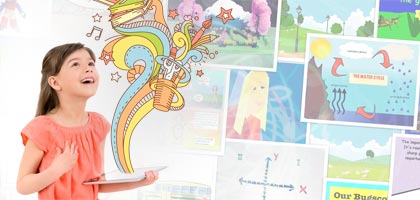
An online student publishing and creativity platform.


