Elitepain Lomps Court Case 2 __link__



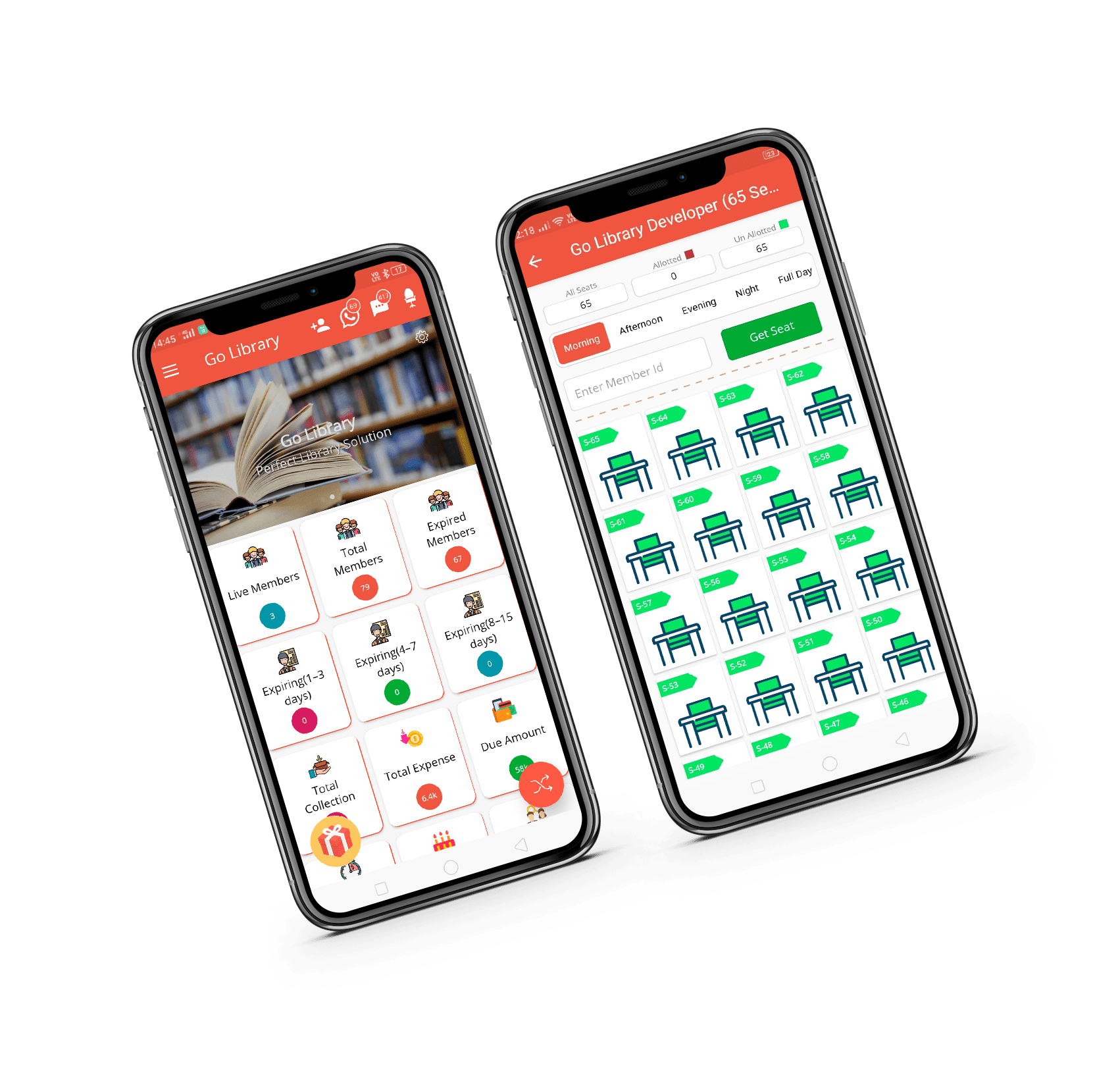
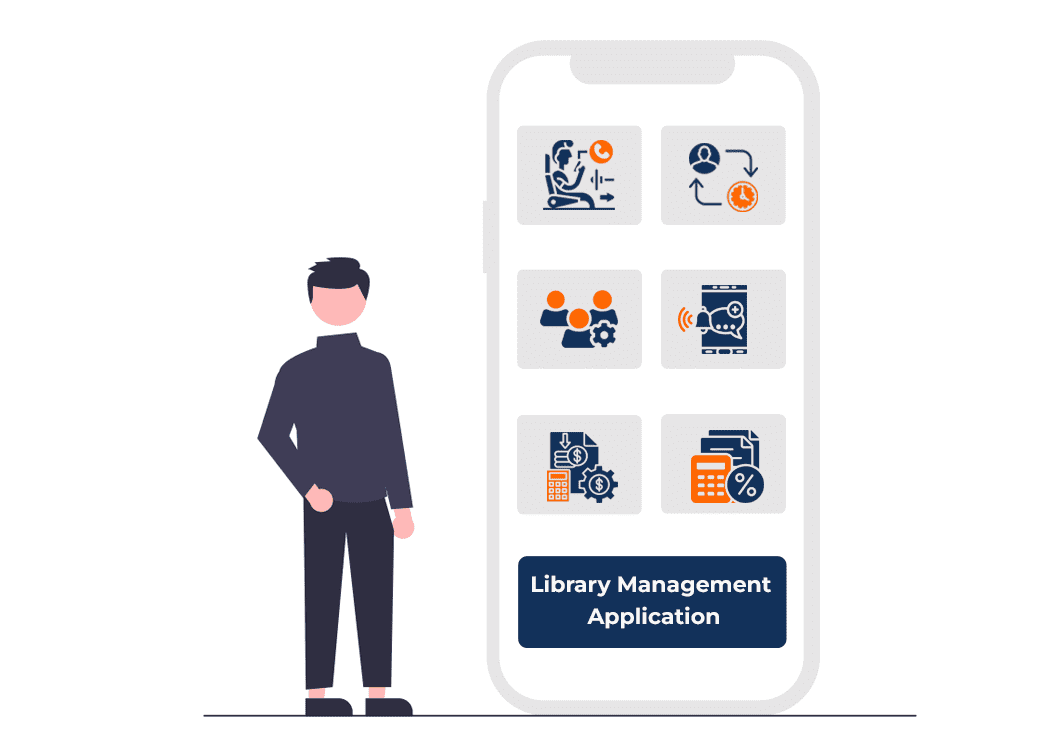
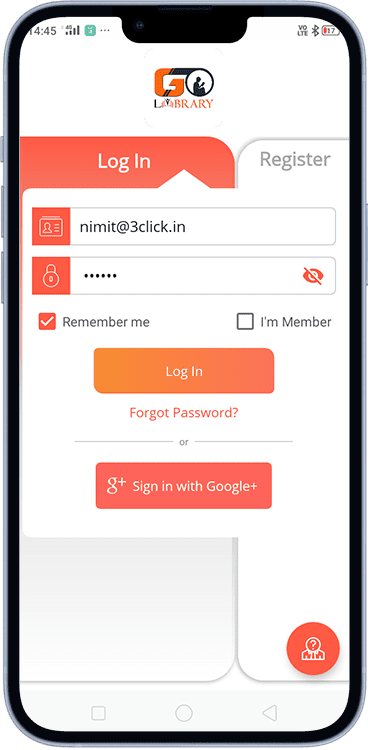
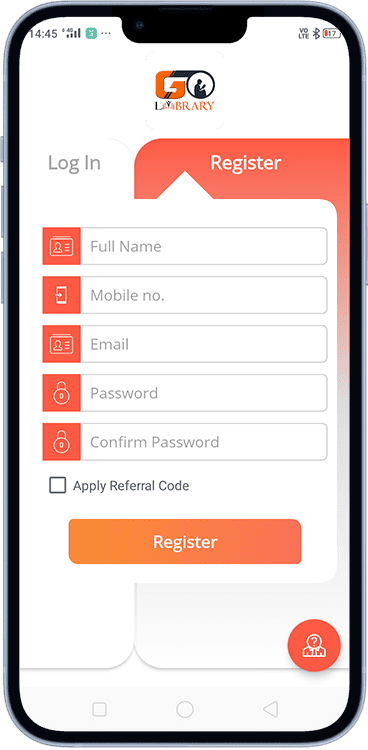
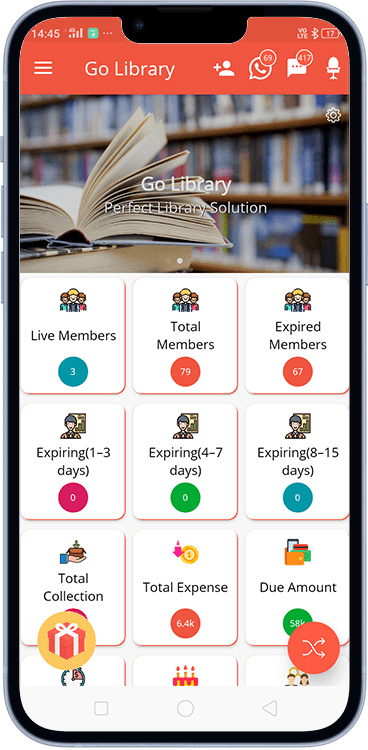
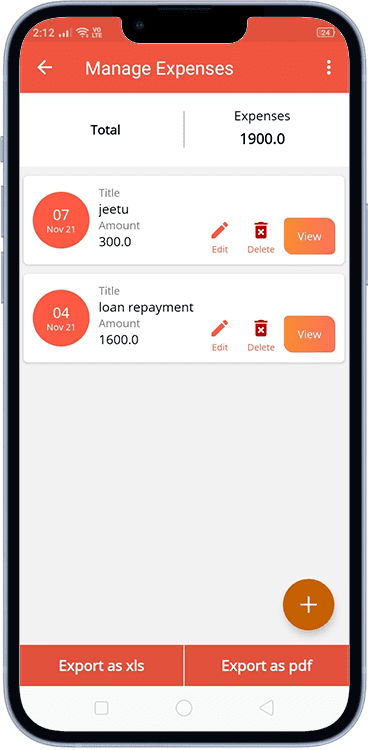
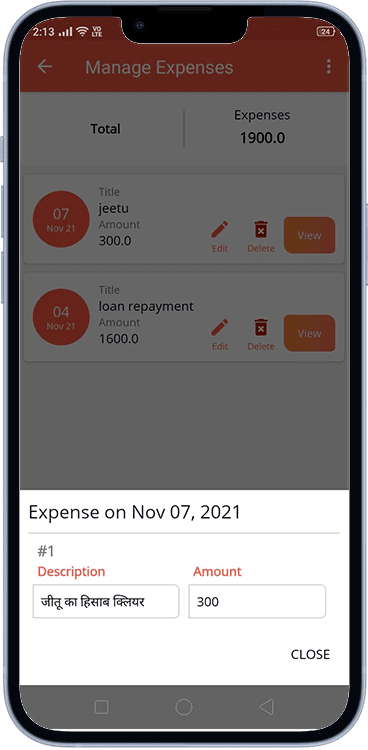
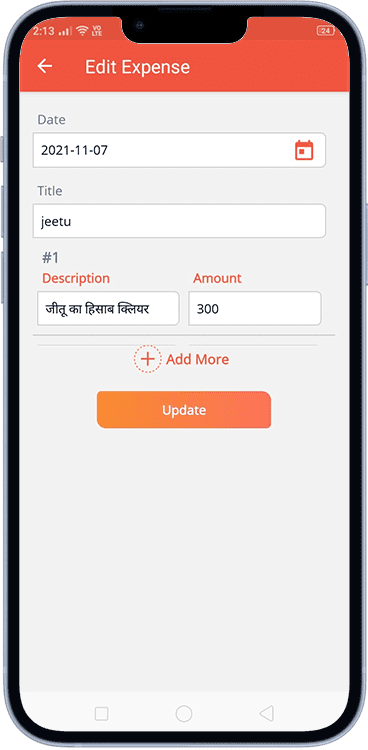
Introducing GO-Library, the ultimate library management app designed to revolutionize the way libraries are managed worldwide. Tailored to meet the diverse needs of libraries, GO-Library is the comprehensive solution that empowers library owners with efficient tools for seamless management. With an intuitive interface and a host of powerful features, GO-Library ensures that every aspect of library operations is effortlessly organized.
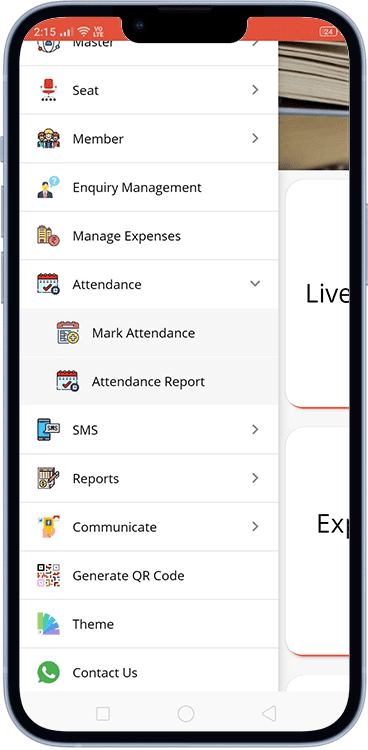
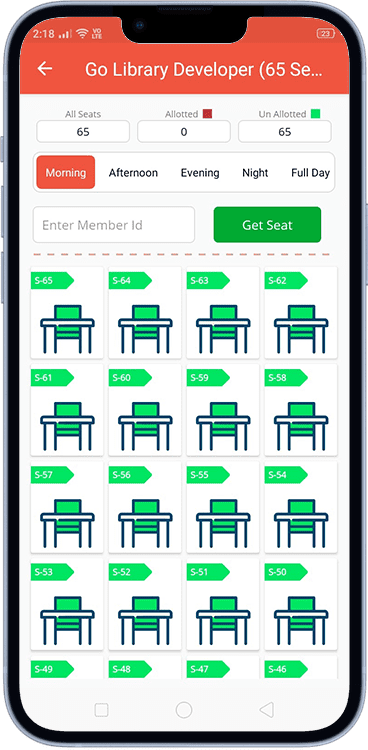
From optimizing seat allocation with the innovative Seat Matrix Management feature to simplifying staff scheduling through Shift Management, GO-Library streamlines operations like never before. Member Management keeps track of borrower information and borrowing history, enabling personalized services that enhance user experience.






Excellent service!” “Very happy with the service. Easy to use, the library kept me updated at all stages and very fast.” “Always prompt and friendly

Having experienced its functionality firsthand, I can confidently state that this app is truly remarkable. It has transformed my tasks into a paperless and effortlessly manageable process. Every essential feature needed for maintaining a library is seamlessly integrated within this application. Moreover, the customer support service is exceptionally responsive. When I encountered a minor issue, I reached out for assistance, and the team's swift response pleasantly surprised me. Within a mere hour, they not only resolved my concern but also provided a solution that precisely catered to my needs. elitepain lomps court case 2

"Efficiency Redefined! GO-Library has elevated our library management to a whole new level. The app's shift management and seat matrix features have streamlined our daily routines. Managing members and their borrowing history is a breeze, providing personalized service to our patrons. The automated reminders have drastically improved user engagement, and the integration of WhatsApp notifications is a brilliant touch. The multi-branch management capability is invaluable for our chain of libraries. Plus, their customer support is top-notch—I had a problem, called for help, and it was resolved with utmost professionalism within an hour." To understand why a secondary court case behaves

"GO-Library is a lifesaver! Managing seats, shifts, and members has never been easier. Automated reminders are a hit, and the WhatsApp notifications are genius. A must for libraries!" The verdict sent shockwaves through the gaming community,

"A Must-Have for Libraries! GO-Library is a revelation for anyone in the library business. The app's paperless approach, combined with its intuitive interface, has made running our library incredibly smooth. Every essential feature is thoughtfully included, from seat allocation to member management. The automated reminders and WhatsApp messages have created a seamless communication channel with our readers. The ability to manage multiple branches centrally is a huge advantage for our expanding library network. I'm amazed by the support team's quick response; they fixed my issue in no time, ensuring a seamless experience. GO-Library gets a resounding thumbs up!"

"Incredible app! GO-Library nails member management, reminders, and even WhatsApp alerts. Managing multiple branches is a breeze. Highly recommended!"

To understand why a secondary court case behaves differently than an initial filing, consider the distinct operational shifts that happen between "Case 1" and "Case 2": Litigation Dimension Phase 1 (Initial Filing) Phase 2 (Secondary/Appeal Case) Establish initial liability and structural fault.
The regulatory response is seen as a necessary step to prevent similar cases of negligence and wrongdoing in the future. However, some critics argue that the response may be overly restrictive, limiting access to necessary pain management services for patients who require them.
The verdict sent shockwaves through the gaming community, with many players and observers expressing surprise and concern. The ruling raised important questions about the limits of online behavior and the role of game moderators in preventing harassment.
In the modern digital economy, corporate legal battles are no longer confined to traditional brick-and-mortar disputes. Instead, they center on proprietary algorithms, digital entertainment, competitive gaming, data privacy, and global intellectual property (IP) rights. When an advanced legal battle reaches its second iteration—such as a critical sequel case or an appellate showdown—the legal stakes escalate exponentially.
As the intersection of premium online content and legal accountability continues to mature, staying anchored to verified legal databases remains the only definitive way to separate internet rumors from established legal precedent.
: The plaintiff may argue that the defendant failed to follow the injunctions or restrictions laid out in the first trial.
The courtroom drama has seen testimony from various cybersecurity experts, many of whom have provided conflicting views on the Lomps algorithm. Some experts claim the code contains "backdoors" that are far too sophisticated to be accidental, while others suggest these are common, albeit risky, programming shortcuts used to optimize performance. This technical debate is at the heart of the case, as the court must determine whether ElitePain’s actions constituted a criminal disregard for safety or were simply aggressive business practices within a loosely regulated industry.
Platforms handling sensitive user data or premium subscription models face strict regulatory compliance guidelines. Litigation in this sector often focuses on data handling protocols, terms of service agreements, and user privacy protections.
In personal injury and medical malpractice law, "elite pain" or severe chronic pain management forms the basis of massive civil lawsuits.
The origins of the case date back to 2018, when Elitepain first discovered that Lomps was selling products that were remarkably similar to their own, including a pain relief cream that bore a striking resemblance to Elitepain's flagship product. Elitepain claimed that Lomps had stolen their proprietary formula, packaging, and marketing materials, and filed a lawsuit against the company.
The game's developer and moderators also faced criticism for their handling of the situation. Some players argued that the game's moderators had been too slow to respond to reports of harassment and that they had failed to take adequate steps to prevent the situation from escalating.