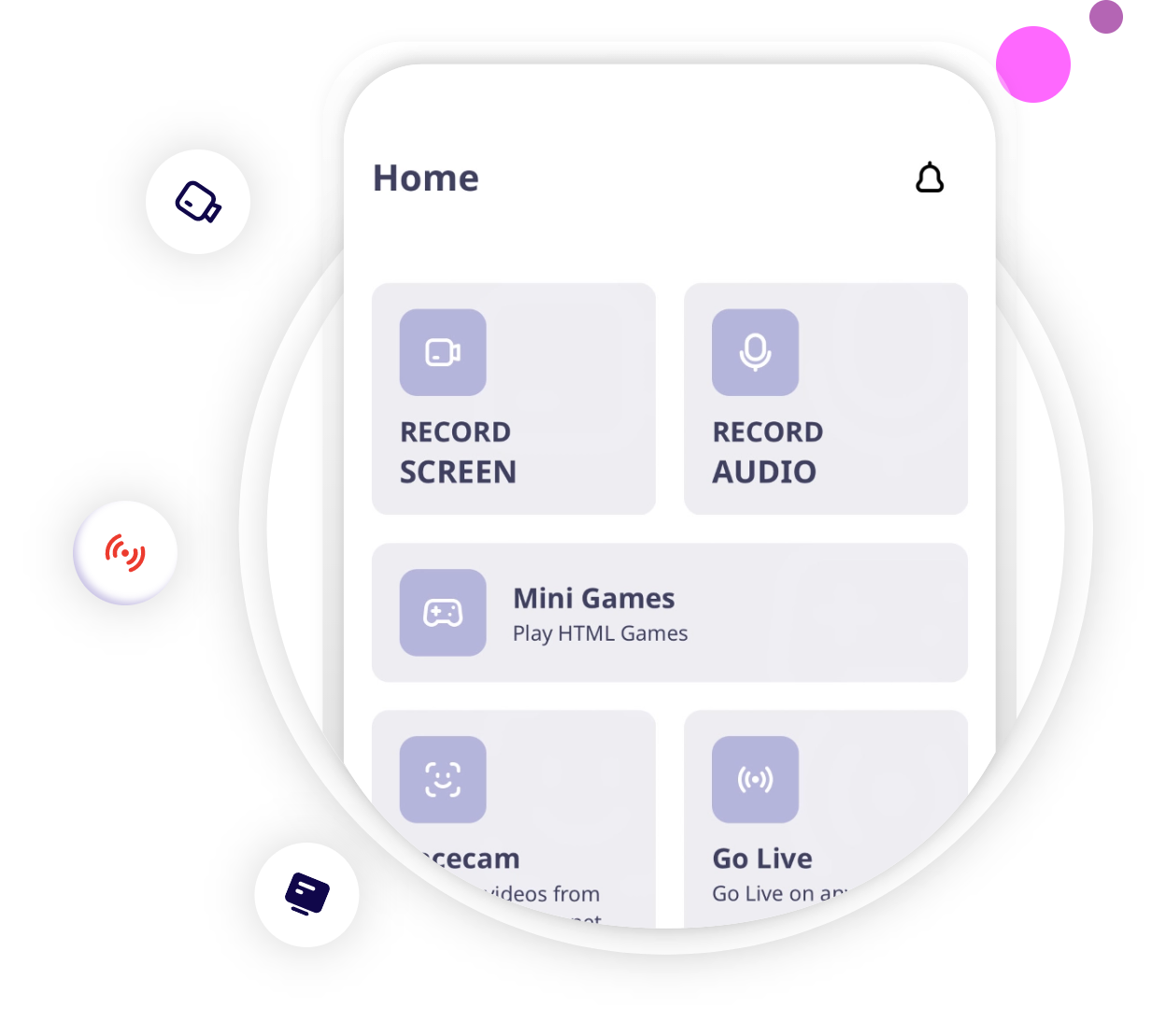
Experience seamless screen recording on your iOS device with our feature-rich iPhone and iPad screen
recorder — completely watermark-free. With a fast-growing community of over 400K+ users, our app is
trusted for its performance, simplicity, and smooth user experience.
Whether you're a gamer, student, educator, or professional, you can easily capture and share your
favorite moments, tutorials, or presentations — all directly from your iPhone or iPad.
Go throw this overview of iPhone Screen Recorder, the most advanced screen-capturing app.
Our iOS Screen Recorder delivers a smooth, intuitive experience built for users
of all levels. With powerful features and a clean design, it sets a new benchmark in mobile screen recording —
whether you're creating tutorials, gameplay clips, or video presentations.
Here's what makes our app a favorite among iPhone and iPad users:
Social media has given rise to a unique and toxic subculture: the "Hijab Police." Viral trends like #HijabCheck or #Jilboobs (a derogatory term for those who wear the hijab but tight clothes) have become platforms for digital vigilantism.
The ruse began to unravel in early November 2025 when a Facebook user, Diana Arkayanti, posted a photo of Deni without his hijab, revealing his biological sex. The caption ignited a firestorm: "Dia seorang MUA dari Lombok Tengah, dia bantong (laki-laki) dan berhijab" ("He is an MUA from Central Lombok, he is male and wears a hijab"). The story exploded, quickly becoming known as "Sister Hong versi Lombok" ("Lombok’s version of Sister Hong"), a reference to a similar, more sinister case of male deception in China.
: Sometimes, the hijab and issues surrounding it can go viral for the wrong reasons, such as misunderstandings, stereotypes, or acts of discrimination against women wearing the hijab. bokep hijab viral mesum sama pacar ceweknya agresif juga hot
While the hijab is a symbol of empowerment for many, its viral nature also brings social scrutiny:
The last decade has seen the explosion of the "hijabista" phenomenon—young Indonesian women who blend strict religious modesty requirements with modern, high-fashion trends.
They showcase a society that is simultaneously deeply religious and hyper-capitalistic; highly conservative yet digitally progressive. As long as social media continues to dominate daily life in Indonesia, the hijab will remain a vibrant, contested, and beautiful symbol of the country's ongoing cultural evolution. Social media has given rise to a unique
The phenomenon has fueled a multi-billion dollar modest fashion industry. It positions Indonesia as a global hub for Islamic attire, transforming religious compliance into a fast-fashion commodity.
The phenomenon of "hijab viral" is a profound reflection of modern Indonesia. It encapsulates a society that is rapidly digitizing, fiercely creative, and deeply entrepreneurial, while simultaneously grappling with its religious identity, traditional roots, and the boundaries of personal freedom.
Going viral often requires adhering to specific digital aesthetics, such as the Cewek Mamba (edgy, black outfits), Cewek Kue (colorful outfits), or Cewek Bumi (earthy tones). Here, the hijab is treated as a highly versatile styling accessory. 3. Social Issues Intersecting with Viral Hijab Trends The story exploded, quickly becoming known as "Sister
To understand the "sama" (same) aspect, one must understand the Indonesian digital psyche. Platforms like TikTok and Instagram have fostered an environment where is a primary driver of content. When an influencer like Bella Shofie or Ria Ricis wears a specific pashmina in a cerulean blue, a cascade effect occurs.
This intergenerational clash is a core Indonesian social issue. How do you honor Al-Muhajabah (the ideal veiled woman) while participating in a capitalist, viral economy? The debate rages on every family group chat on WhatsApp.
Traditional Indonesian Islam blended with local customs ( Adat ). Most women wore traditional clothing like the kebaya with a loose headscarf ( kerudung ) over their shoulders, leaving the hair partially visible.
On one side were the "Defenders." “Masya Allah, finally you look like a proper Muslimah,” one comment read, garnering thousands of likes. “Before you looked like you were asking for attention, now you look honorable.”

Social media has given rise to a unique and toxic subculture: the "Hijab Police." Viral trends like #HijabCheck or #Jilboobs (a derogatory term for those who wear the hijab but tight clothes) have become platforms for digital vigilantism.
The ruse began to unravel in early November 2025 when a Facebook user, Diana Arkayanti, posted a photo of Deni without his hijab, revealing his biological sex. The caption ignited a firestorm: "Dia seorang MUA dari Lombok Tengah, dia bantong (laki-laki) dan berhijab" ("He is an MUA from Central Lombok, he is male and wears a hijab"). The story exploded, quickly becoming known as "Sister Hong versi Lombok" ("Lombok’s version of Sister Hong"), a reference to a similar, more sinister case of male deception in China.
: Sometimes, the hijab and issues surrounding it can go viral for the wrong reasons, such as misunderstandings, stereotypes, or acts of discrimination against women wearing the hijab.
While the hijab is a symbol of empowerment for many, its viral nature also brings social scrutiny:
The last decade has seen the explosion of the "hijabista" phenomenon—young Indonesian women who blend strict religious modesty requirements with modern, high-fashion trends.
They showcase a society that is simultaneously deeply religious and hyper-capitalistic; highly conservative yet digitally progressive. As long as social media continues to dominate daily life in Indonesia, the hijab will remain a vibrant, contested, and beautiful symbol of the country's ongoing cultural evolution.
The phenomenon has fueled a multi-billion dollar modest fashion industry. It positions Indonesia as a global hub for Islamic attire, transforming religious compliance into a fast-fashion commodity.
The phenomenon of "hijab viral" is a profound reflection of modern Indonesia. It encapsulates a society that is rapidly digitizing, fiercely creative, and deeply entrepreneurial, while simultaneously grappling with its religious identity, traditional roots, and the boundaries of personal freedom.
Going viral often requires adhering to specific digital aesthetics, such as the Cewek Mamba (edgy, black outfits), Cewek Kue (colorful outfits), or Cewek Bumi (earthy tones). Here, the hijab is treated as a highly versatile styling accessory. 3. Social Issues Intersecting with Viral Hijab Trends
To understand the "sama" (same) aspect, one must understand the Indonesian digital psyche. Platforms like TikTok and Instagram have fostered an environment where is a primary driver of content. When an influencer like Bella Shofie or Ria Ricis wears a specific pashmina in a cerulean blue, a cascade effect occurs.
This intergenerational clash is a core Indonesian social issue. How do you honor Al-Muhajabah (the ideal veiled woman) while participating in a capitalist, viral economy? The debate rages on every family group chat on WhatsApp.
Traditional Indonesian Islam blended with local customs ( Adat ). Most women wore traditional clothing like the kebaya with a loose headscarf ( kerudung ) over their shoulders, leaving the hair partially visible.
On one side were the "Defenders." “Masya Allah, finally you look like a proper Muslimah,” one comment read, garnering thousands of likes. “Before you looked like you were asking for attention, now you look honorable.”

Our Screen Recorder is the perfect tool for capturing and sharing your screen. Whether you're a content creator, educator, or business professional, our versatile software makes it easy to create stunning video content on your Mac. Install now and unleash your creativity!
Elevate your gaming experience by recording your triumphs, strategies, and memorable gameplay moments. Share your achievements with your friends and followers on social media.
Enhance your learning journey by recording educational content, tutorials, or online classes. Review complex subjects at your own pace and grasp difficult concepts effectively.
Leverage our iOS Screen Recorder to create powerful presentations, tutorials, and product demos. Enhance productivity and communication with clients and colleagues.
Create professional tutorials, demos, and content with ease using our app's high-quality screen recordings. Capture your video editing process and share it with others to showcase your skills and expertise.
Transform your online teaching with our app's screen recording feature. Record engaging lectures, tutorials, and virtual classroom sessions to create interactive learning materials and facilitate student engagement.
Our Mac screen recorder app goes beyond just basic screen recording - it offers an interactive recording feature that takes your
Find Answers to Your iOS Screen Recorder Questions - Explore features, live streaming, annotations, and more. Enhance your recording experience today!"
An iOS Screen Recorder is a mobile application that allows you to capture and record your iPhone or iPad's screen, making it convenient for creating tutorials, gameplay videos, and more.
Our iOS Screen Recorder app offers a free trial with limited features. To access the full suite of functionalities, you can upgrade to the premium version through in-app purchases.
The free version of the iOS Screen Recorder may have time limitations for screen recording. However, the premium version allows for longer recordings without restrictions.
Absolutely! Both the free and premium versions of our iOS Screen Recorder come with audio recording support, enabling you to add voiceovers or background music to your videos.
Taking screenshots is straightforward with our iOS Screen Recorder. You can capture screenshots during recording or independently, preserving important moments with ease.
Yes, our iOS Screen Recorder allows you to record live streams and webinars, ensuring you never miss any important content.
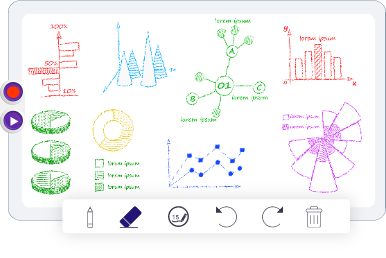
The Whiteboard Recording feature lets you capture interactive whiteboard sessions, making it beneficial for educators and professionals during presentations or lectures.